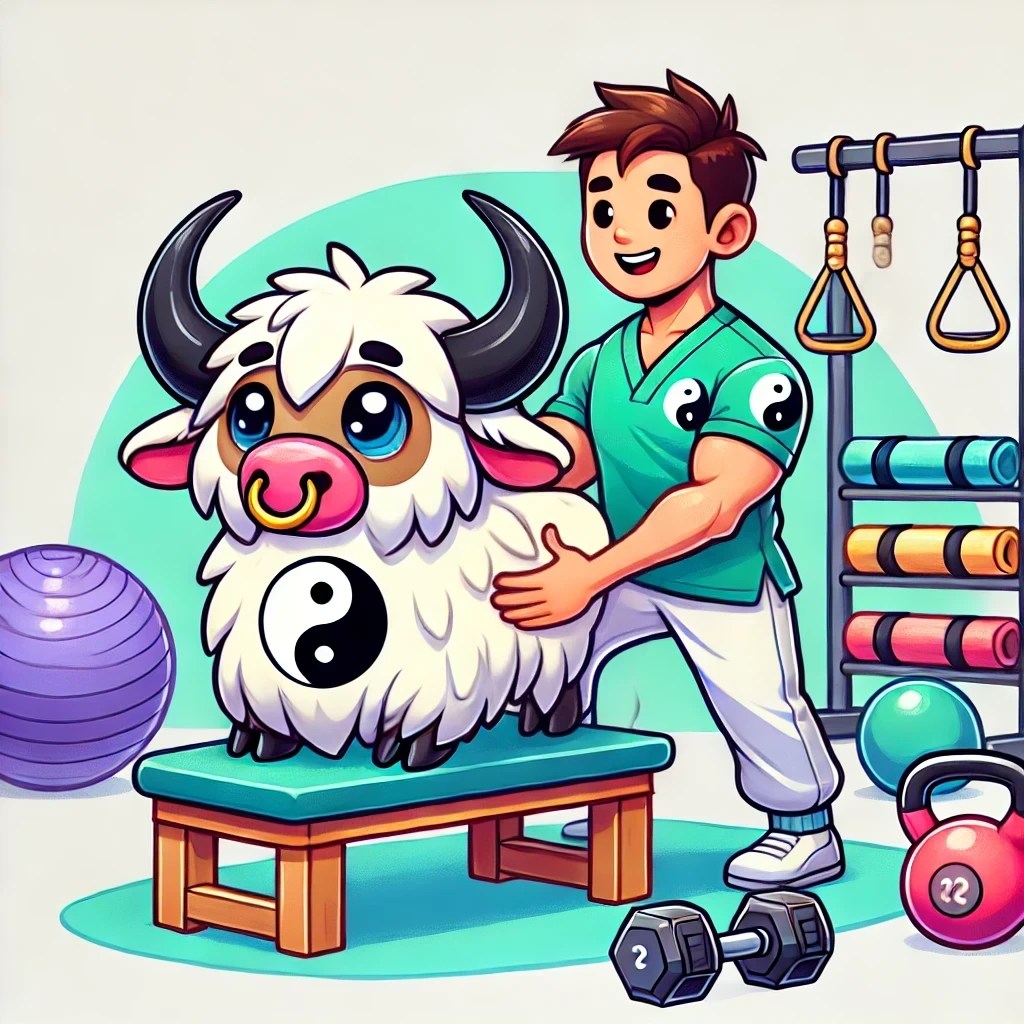
Podcast Summary: “Meridians & Movement: Yin Yang Yak about Physical Therapy” – Yin Yang Yak with Cotter Kelsey & James Connelly
In this in-depth episode of Yin Yang Yak, host Cotter Kelsey of Kelsey Healing Arts sits down with James Connelly, a physical therapist and founder of Results Rehab. They dive into the intersection of Eastern and Western healing practices, exploring the powerful connection between movement, acupuncture, and holistic health. The episode is a rich blend of personal stories, professional insights, and practical advice, offering listeners a comprehensive look at how to manage pain, reduce stress, and cultivate long-term wellness.
1. James Connelly’s Personal Journey into Physical Therapy
James opens with his inspiring personal story—suffering a stroke at just eight months old due to a burst blood vessel in his brain. This life-altering event led to multiple surgeries, physical therapy, and occupational therapy throughout his childhood. James’ firsthand experience with rehabilitation shaped his passion for physical therapy, giving him a deep sense of empathy and purpose in his work.
- Corporate Frustrations: After starting his career in traditional corporate PT settings, James quickly realized the limitations—short patient sessions, lack of personalized care, and minimal time for education.
- Founding Results Rehab: Motivated by these frustrations, he founded Results Rehab in 2020, just as the COVID-19 pandemic reshaped healthcare. His goal was to provide one-on-one, client-centered care that focuses on long-term results rather than quick fixes.
2. The Importance of Education in Healing
James emphasizes that while PTs receive solid clinical education, the real gap lies in patient education. In corporate healthcare settings, therapists often juggle multiple clients at once, leaving little time to explain conditions, treatment plans, or preventive strategies.
- Case Example: James describes treating shoulder impingement. While many clinics focus solely on the shoulder, he digs deeper, screening the neck, thoracic spine, and posture to uncover root causes.
- Cotter’s Insight: Cotter adds that many shoulder issues stem from chronic postural imbalances, such as rounded shoulders and forward head posture, which strain the rotator cuff over time.
- Long-Term Empowerment: Both agree that educating clients about their bodies leads to long-term success, preventing recurring injuries and fostering self-reliance.
3. Exercise for Stress Relief, Mental Wellness, and Pain Management
Movement isn’t just about physical health—it’s a cornerstone of mental well-being. James and Cotter explore how exercise influences stress, anxiety, and even depression.
- The Science Behind Movement:
- James explains how exercise releases endorphins—the body’s natural painkillers—often referred to as “endogenous morphines.”
- Exercise increases blood flow, reduces inflammation, and supports detoxification through improved circulation and lymphatic drainage.
- Cotter’s Qigong Perspective:
- Cotter discusses Qigong and Tai Chi as forms of mindful movement that not only benefit physical health but also regulate the nervous system, promoting calmness and clarity.
- Isometric exercises are highlighted as powerful tools, even for people with limited mobility.
Key Takeaway: “Movement is medicine.” Whether it’s walking, stretching, or lifting weights, consistent physical activity is crucial for both body and mind.
4. Acupuncture vs. Dry Needling: Clearing Up the Confusion
One of the most engaging parts of the episode is the comparison between acupuncture and dry needling, two techniques that often get conflated.
- James on Dry Needling:
- Dry needling targets myofascial trigger points (knots in the muscles) using acupuncture needles but focuses on creating a mechanical muscle contraction to relieve tension.
- It’s “dry” because there’s no medication involved, unlike traditional injections.
- Cotter on Acupuncture:
- Acupuncture is rooted in Traditional Chinese Medicine (TCM) and focuses on stimulating specific meridian points to influence the nervous system and promote systemic healing.
- Interestingly, Cotter rarely places needles directly where the pain is. Instead, he targets distal points (like the hands or feet) to influence the nervous system and create broader effects throughout the body.
- Key Differences:
- Philosophy: Dry needling treats localized muscle issues; acupuncture treats the nervous system holistically, addressing the body’s overall function.
- Techniques: Acupuncture uses points based on how they affect the nervous system’s pathways; dry needling targets specific muscular trigger points.
- Applications: Both can treat pain, but acupuncture also addresses digestive issues, anxiety, sleep disorders, and more.
5. Holistic Health: Integrating Mind, Body, and Spirit
Both James and Cotter believe that true health requires addressing the biopsychosocial model—considering biological, psychological, and social factors.
- James’ Spiritual Perspective:
- As a Christian, James discusses the role of faith and prayer in healing, emphasizing that the body is a temple.
- He integrates prayer into his sessions when clients are open to it, noting that spiritual practices can reduce stress and promote healing.
- Cotter’s Eastern Approach:
- Cotter highlights how meditation, breathwork, and awareness of the nervous system can shift a person’s mindset, helping them move beyond self-limiting beliefs.
- He describes the pericardium meridian as part of the nervous system’s regulatory network, relating it to emotional stress and offering acupressure techniques for self-care.
Shared Insight: Both agree that addressing the mental and spiritual aspects of health—not just the physical—is key to long-term wellness.
6. Cultural Challenges in Modern Healthcare
The duo critiques the current “sick care” system, which prioritizes medication and surgery over preventive care.
- The Inverted Healthcare Pyramid:
- Cotter describes healthcare as an inverted pyramid where the smallest part—pharmaceuticals and surgeries—gets the most attention and resources.
- The base of the pyramid, which should be education, lifestyle habits, and preventive care, is often neglected.
- Community Solutions:
- James shares his initiative, “Walk with the Doc,” where people can casually meet healthcare professionals, ask questions, and get moving without the pressure of formal appointments.
- Cotter reflects on the importance of early education, suggesting that basic health literacy should start in childhood to prevent chronic issues later in life.
7. Practical Tips for Listeners
- Exercise Recommendations:
- Focus on 3-4 simple exercises done consistently.
- Prioritize functional movements that mimic daily activities.
- Progressive overload: Gradually increase difficulty to build strength and resilience.
- Mental Health Tools:
- Incorporate breathwork and mindfulness practices to manage stress.
- Use acupressure points like Pericardium 6 to calm the nervous system and reduce anxiety.
- Mindset Shifts:
- Recognize that movement is for everyone—whether it’s walking, squats, or Qigong.
- Understand that healing is a process, not an event. There’s no quick fix, but small daily actions create lasting change.
 Acupuncture & Wellness in Cumming GA