Yin-Yang Yak – Back Pain: Thorns & Thor
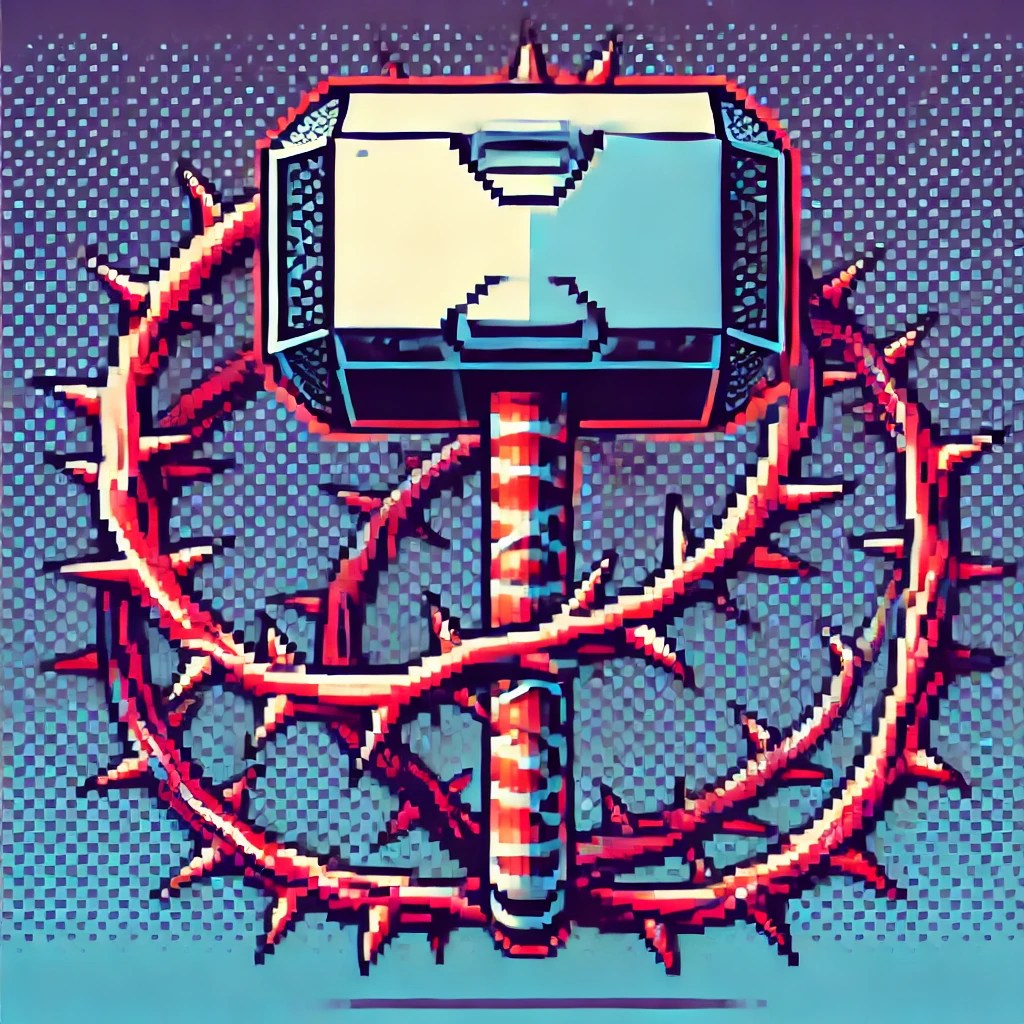
In this engaging and insightful episode, Cotter Kelsey yaks on about back pain, aiming to dispel myths, challenge conventional thinking, and provide actionable advice for both preventing and managing this widespread issue. The episode blends modern anatomical understanding with philosophical reflections, even drawing symbolic lessons from Nordic runes like Thurisaz, associated with both thorns and Thor’s hammer.
1. Understanding the Nature of Back Pain
Back pain isn’t something that just “happens” to us, like catching a cold or flu from external pathogens. Instead, Cotter argues that most cases of back pain stem from internal structural imbalances, not sudden, unavoidable events.
- Exceptions: Rare cases involve severe congenital defects, traumatic accidents, or advanced degenerative diseases.
- The Majority: For most people, back pain is linked to muscular imbalances, poor posture, and lifestyle habits rather than external injuries or mysterious causes.
Cotter emphasizes that we should stop viewing back pain as an inevitable part of life or aging. Instead, it’s often a preventable issue that gives early warning signs if we listen.
2. The Vicious Cycle of Muscle Spasms and Pain
Back pain often leads to muscle spasms as the body’s attempt to protect the affected area. However, this self-defense mechanism can backfire, creating a vicious cycle:
- Initial Pain Trigger: Could be poor posture, prolonged sitting, or sudden strain.
- Muscle Spasms: The body reacts by tightening muscles around the spine to stabilize the area.
- Increased Nerve Compression: These tight muscles put pressure on spinal nerves, causing more pain.
- More Pain = More Spasms: The cycle repeats, sometimes escalating to the point where people feel their back has “gone out.”
Cotter cleverly reframes this concept using Yin-Yang philosophy:
- The back in spasm is “too Yang”—overactive, tense, and rigid.
- The solution isn’t more force or tension but restoring “Yin”—relaxation, balance, and flexibility.
3. The Symbolism of the Thurisaz Rune (Thor’s Hammer)
Cotter introduces the Nordic rune “Thurisaz,” associated with both thorns and Thor’s hammer. This serves as a metaphor for understanding back pain:
- The Thorn (Pain): Back pain acts as a “thorn”—a sharp, unpleasant reminder that something is wrong with your body’s structure.
- The Boundary: Just like a thorn marks a boundary in nature, pain signals that you’ve crossed a threshold in how much strain your body can handle.
- Thor’s Hammer (Strength): Pain isn’t just a problem; it’s also an opportunity to build strength—both physically and mentally.
Key Insight:
“When you come across that thorn, recognize it is also Thor’s hammer.”
In other words, the very thing causing your pain can also be the catalyst for your transformation and growth.
4. The Root Causes of Back Pain: A Muscular Imbalance
Cotter breaks down the primary muscular imbalances that lead to back pain:
- Weak Glutes and Hamstrings: These muscles stabilize the pelvis. When weak, they can’t counterbalance the forces pulling the pelvis forward.
- Tight Iliacus Muscle: Prolonged sitting shortens this powerful hip flexor. The body adapts to this shortened state, leading to anterior pelvic tilt (pelvis tilts forward unnaturally).
- Pelvic Tilt Consequences: This misalignment:
- Increases the lumbar curve (lordosis).
- Compresses spinal discs unevenly.
- Strains lower back muscles, causing spasms.
Cotter also touches on the iliopsoas complex (iliacus + psoas):
- When overly tight, it pulls the spine forward, exacerbating lower back stress.
- At the same time, underused glutes and hamstrings weaken, creating a double-whammy effect.
5. Spinal Stenosis: The Long-Term Consequence of Ignored Back Pain
If left untreated, these muscular imbalances can lead to spinal stenosis, a condition where the spaces within the spine narrow, compressing the nerves.
- How It Happens:
- Chronic muscle tightness puts abnormal pressure on spinal discs and vertebrae.
- Over time, the body responds to this pressure by thickening bone tissue (via osteoblast activity).
- This thickening reduces the space available for nerves, causing nerve compression and chronic pain.
- Key Point:
Once stenosis develops, conservative treatments (acupuncture, chiropractic care, massage) offer only temporary relief. At this stage, surgery may be the only option, though outcomes aren’t as predictable as procedures like hip replacements.
6. The Good News: Prevention Is Simple
Cotter emphasizes that preventing back pain is remarkably straightforward—it’s about addressing the root causes before they escalate into chronic conditions:
- Strengthen the Glutes and Hamstrings:
These muscles stabilize the pelvis and spine, reducing strain on the lower back. - Stretch the Iliacus:
Regular stretching counteracts the effects of prolonged sitting, restoring proper pelvic alignment. - Daily Movement Matters:
A simple routine of 5-15 minutes a day can prevent decades of pain and even avoid the need for invasive treatments later in life. - Mind Your Posture:
Cotter highlights the importance of functional movement patterns, especially if you lift heavy weights.
“If you’re lifting but have poor hip mobility, you’re setting yourself up for back issues.”
7. Lessons from Tai Chi, Qi Gong, and Ancestral Wisdom
Cotter draws parallels with Eastern practices like Tai Chi and Qi Gong, which focus on:
- Maintaining hip flexibility.
- Strengthening the core and pelvic muscles.
- Encouraging gentle, consistent movement to prevent stagnation.
These practices explain why many elderly practitioners maintain agility and mobility well into old age, without the chronic pain that plagues sedentary individuals in modern societies.
8. The Flawed Modern Approach: Band-Aid Solutions
Cotter criticizes the reactive, symptom-focused approach of modern healthcare:
- Painkillers and Injections: Provide temporary relief but don’t address root causes.
- Regular Chiropractic or Acupuncture Without Exercises: Acts as a band-aid if not paired with corrective exercises.
- Passive Mindset: Many people resign themselves to back pain, believing it’s just “part of getting old.”
Cotter’s Call to Action is clear:
- Don’t wait for a crisis.
- Take responsibility for your health now.
- Movement is medicine.
9. A Message of Empowerment: Your Back Pain Is a Gift
In a powerful closing, Cotter reframes back pain as an opportunity rather than a curse:
- “Beneath every catastrophe, opportunity crouches.”
- The same pain that feels like a burden can be your motivation to make positive changes.
- With the right knowledge and consistent effort, you can regain control of your health, avoid invasive procedures, and live an active, pain-free life.
✅ Key Takeaways:
- Back pain is not inevitable. It’s often preventable through daily movement, proper posture, and muscle balance.
- Strengthen the glutes and hamstrings. Stretch the iliacus to restore pelvic alignment.
- Don’t ignore pain. It’s your body’s warning sign—a “thorn” that can guide you to become stronger, like Thor’s hammer.
- Movement is medicine. Incorporate daily routines inspired by Tai Chi, Qi Gong, or simple strength exercises.
- Take control early. The longer you ignore the root causes, the more likely you’ll need invasive interventions like surgery.
🎯 Final Thought from Cotter:
“When you feel that thorn of back pain, recognize it as Thor’s hammer—a tool that can forge strength, resilience, and transformation if you choose to wield it wisely.”
 Acupuncture & Wellness in Cumming GA