Summary
The Garden of Eden and the Mark of Cain: A Modern Health Metaphor
Welcome to Yin-Yang-Yak, where I, Cotter Kelsey, explore meaningful health topics through the lens of ancient wisdom and modern science. In this episode, we dive deep into the metaphor of the Garden of Eden and the Mark of Cain to understand how our modern lifestyles have distanced us from balance and harmony, leading to chronic pain, metabolic syndrome, and widespread health challenges. By recognizing the roots of our struggles, we can reclaim our health through intentional choices in movement, diet, and mindfulness.
Understanding the Garden of Eden Metaphor
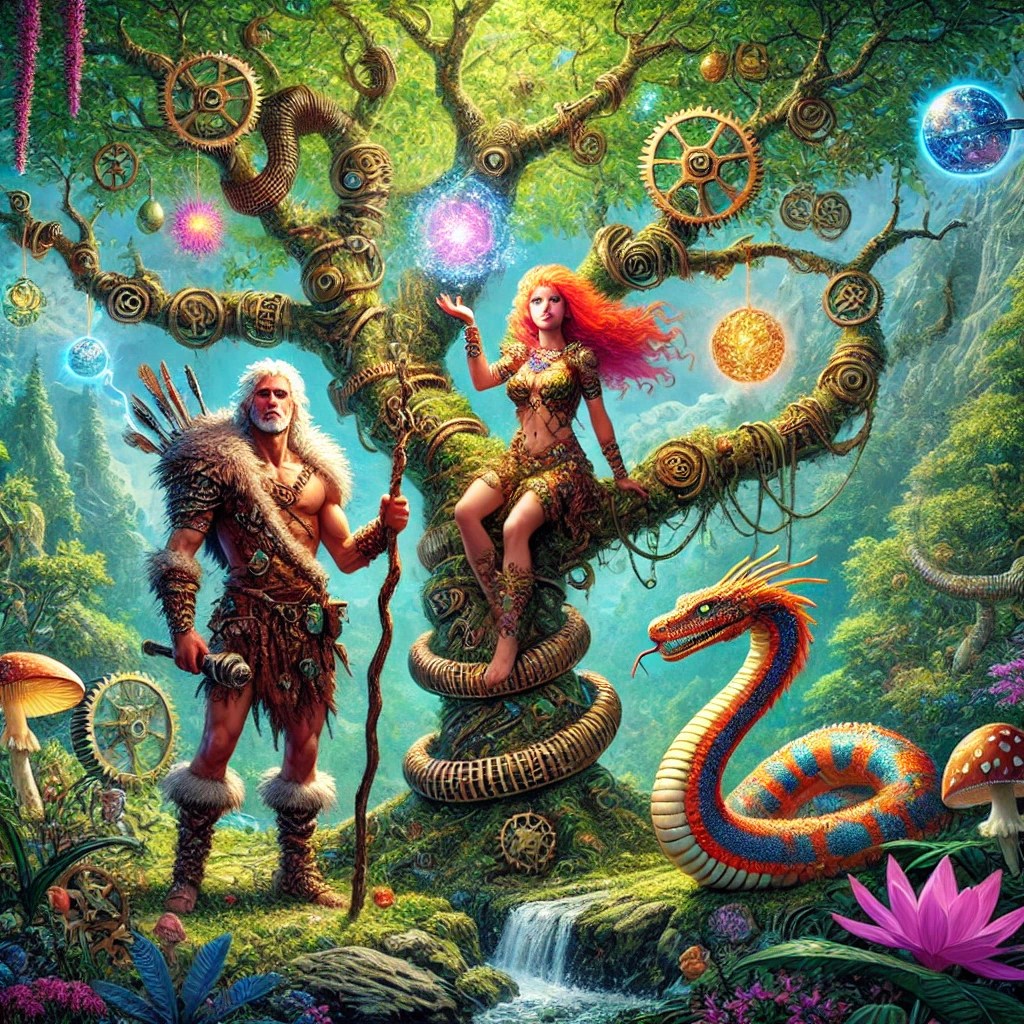
The Garden of Eden symbolizes humanity’s origins as hunter-gatherers, where we lived in balance with nature. In this state, our bodies evolved to thrive on movement, adaptability, and simplicity. Food was scarce, and physical activity—climbing, squatting, throwing, and walking—was essential for survival. Our ancestors lived in dynamic interaction with their environment, free from the chronic health conditions that plague modern humans.
However, humanity’s evolution took a dramatic turn with the advent of technology. The story of eating the fruit of knowledge can be seen as the moment when our inventions—like agriculture and animal husbandry—began altering our environment. While these innovations brought survival advantages, they also introduced physical and metabolic challenges that have compounded over generations.
From Eden to the Fall: Agriculture and the Mark of Cain
Agriculture marked humanity’s shift from hunter-gatherers to a settled, calorie-rich lifestyle. In the Garden of Eden metaphor, this transition is symbolized by Cain, the agriculturalist, who toils in the soil to produce food. This new way of life, while increasing population and societal complexity, demanded repetitive physical labor that was unnatural for the human body. Archaeological evidence shows that early farmers suffered from arthritis and other degenerative conditions due to these repetitive motions.
As technology progressed, humans moved further from their Edenic origins, culminating in the Industrial Age. This rapid evolution of our environment—within the blink of an eye on an evolutionary timescale—created a mismatch between our bodies, designed for movement and adaptability, and the sedentary, calorie-rich lifestyles of today. This mismatch manifests as chronic back pain, neck pain, metabolic syndrome, and other modern health challenges.
The Mark of Cain: Chronic Pain and Metabolic Syndrome
The “Mark of Cain” represents the physical and metabolic consequences of modern living. Chronic neck and back pain, as well as metabolic syndrome—a cluster of conditions including obesity, diabetes, and cardiovascular disease—are the natural outcomes of sedentary lifestyles, processed foods, and stress. These health issues are not punishments or failures of willpower; they are the predictable results of living in an environment dominated by technology and convenience.
Chronic Pain
Our bodies were designed to move in diverse and functional ways. Squatting, climbing, and throwing were routine for our ancestors, but today’s lifestyles emphasize sitting—at desks, in cars, and on couches. This sedentary posture functionally “shortens” muscles like the iliacus, which tilts the pelvis forward and leads to lower back pain. Weak rhomboids and lats contribute to poor posture, causing neck and upper back pain. Even well-intentioned exercise routines, such as bench presses and planks, can exacerbate these imbalances by strengthening the wrong muscles without addressing underlying weaknesses.
Metabolic Syndrome
Modern diets high in processed foods and refined sugars fuel metabolic syndrome. These foods are engineered to trigger powerful dopamine responses, making them addictive. Dopamine, the brain’s reward chemical, evolved to encourage survival behaviors like eating nutrient-dense foods. However, processed foods exploit this system, leading to overeating and obesity. Excess glucose in the body causes inflammation, insulin resistance, and damage to cells, setting the stage for diabetes, cardiovascular disease, and even cancer.
Breaking the Cycle: Creating Balance in a Post-Eden World
While we can never return to the simplicity of our hunter-gatherer origins, we can intentionally cultivate balance in our modern lives. The key is to adopt practices that align with our body’s natural design while minimizing the negative impacts of technology and convenience.
1. Intermittent Fasting
Intermittent fasting mimics the periods of scarcity our ancestors faced, giving the body time to repair and reset. By limiting food intake to a specific eating window (ideally 6-8 hours), we can regulate glucose levels, reduce inflammation, and improve overall health. During fasting periods, drinking water, black coffee, or tea without additives helps maintain hydration and suppress hunger.
2. Functional Movement
Functional exercises replicate the natural movements of our ancestors, such as climbing, squatting, and throwing. These activities engage multiple muscle groups, improving posture and reducing chronic pain. Key exercises include:
- Pull-ups to strengthen lats and rhomboids for better neck and upper back alignment.
- Air squats to improve lower body strength and mobility.
- Isometrics, where muscles are contracted without changing joint angles, targeting the glutes, hamstrings, and core.
Regular movement is essential. While intense workouts should be limited to 1-2 days per week, moderate activities like swimming or running can be done 2-3 days, with light exercises like yoga and walking filling the rest of the week. Walking, though not considered exercise, is a foundational activity that supports overall health.
3. Whole Foods Diet
A diet rich in whole, unprocessed foods provides the nutrients our bodies need without triggering dopamine addiction. Focus on leafy greens, fiber-rich vegetables, and lean animal proteins. Aim for an 80/20 balance, where 80% of your diet consists of nutrient-dense whole foods and 20% allows for indulgences. Avoid foods engineered for hyper-palatability, as they disrupt natural hunger cues and contribute to metabolic imbalance.
4. Mindful Living and Stress Reduction
Chronic stress is a hidden driver of modern health issues. In the past, stress was a response to immediate threats, like a tiger in the bush. Today, constant exposure to social media, deadlines, and environmental stressors keeps our fight-or-flight system activated. Practices like Qigong, Tai Chi, yoga, and meditation help calm the nervous system by stimulating the vagus nerve, which promotes relaxation and recovery.
Mindful abdominal breathing is a simple yet powerful way to counteract stress. This technique reduces the need for dopamine-driven comfort behaviors, such as overeating or indulging in processed foods. By mitigating stress, we can break the cycle of inflammation and poor health.
Becoming an Outlier: Taking Ownership of Your Health
In a society designed to perpetuate the “Mark of Cain,” choosing a healthier path makes you an outlier. This journey requires patience, resilience, and a recognition that change is hard but worthwhile. Start small, focusing on manageable steps like closing your kitchen after dinner to begin intermittent fasting or adding short walks to your daily routine. Gradually build on these habits, tailoring them to your unique needs.
Remember, failure is not a setback; it’s part of the process. The only true failure is giving up entirely. Celebrate progress, no matter how incremental, and seek support from wellness communities or professionals to stay motivated.
The Garden Awaits: Cultivating Your Modern Eden
While we cannot return to the Garden of Eden, we can create a modern version of balance and harmony in our lives. By embracing intentional habits—intermittent fasting, functional movement, whole foods, and mindful living—we can counteract the challenges of modern living and reclaim our health.
At Kelsey Healing Arts, we offer tools to support your journey toward balance. Through acupuncture, Qigong, and holistic health practices, we help you align your body, mind, and spirit. Visit http://www.kelseyhealingarts.com to learn more and take the first step toward cultivating your modern garden.
Thank you for joining me on this exploration of the Garden of Eden and the Mark of Cain. Together, let’s reclaim the balance and vitality that are our birthright.
 Acupuncture & Wellness in Cumming GA